The Waiting List Is the Workshop: How UK Ceramics Studios Turn Scarcity Into a System
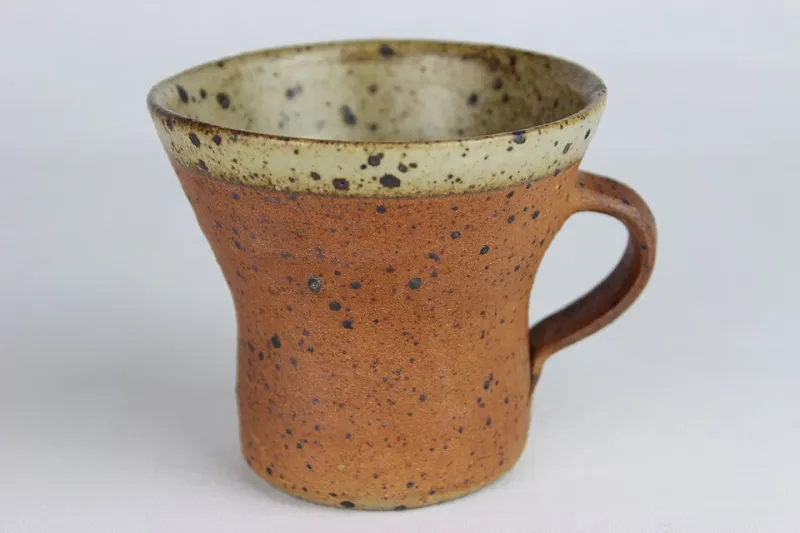
Photo: Bernard Leach, CC BY-SA 3.0, via Wikimedia Commons
On a Tuesday evening in November, a two-person ceramics studio behind a railway arch in Bristol sends an email to 3,000 people. The message contains a link to 60 mugs, 20 bowls and a dozen slightly wonky candle holders. By 7.12pm, most of it has gone. The makers are not celebrities. There is no national press campaign. What looks like hype is actually a capacity-management system wearing an apron.
Across the UK, small ceramics studios have spent the past few years turning waiting lists, timed drops and deposit schemes into something more interesting than marketing. They are using them to plan production, protect cash flow and keep a grip on quality when demand outstrips the size of the kiln. For any niche manufacturer tempted by endless growth, it is worth a closer look.
The kiln does not care about your growth plans
A ceramics studio is a small factory with a very stubborn bottleneck. The kiln fires in batches. The shelves hold a fixed number of pieces. Glazes can fail. Handles can crack. A maker might lose one in ten pieces, or rather more when trying something new. Energy contracts since the price spike of 2022 have made a half-empty firing feel less like artistic spontaneity and more like burning money.
So the waiting list becomes a planning tool. Instead of making 200 mugs and hoping, the studio collects names, gauges interest and releases a batch when the kiln schedule allows. A deposit—often £15 to £40—does two jobs at once. It gives the maker cash before the clay is wedged, and it filters out the tyre-kickers. That is not crowdfunding. It is a small, practical answer to a working-capital problem that many craft manufacturers know well.
The result is a business that sells out before it throws a single bowl, but not because it is pretending to be scarce. The constraint is real: one kiln, two pairs of hands, a finite number of firing days before Christmas.
Scarcity without the theatre
The language matters. Some studios run “drops” with all the theatricality of a trainer release. Others simply publish a lead time and a slot on a waiting list. The ones that seem to keep customer loyalty tend to be honest about which one they are doing. “Sold out” because you only made 60 is different from “sold out” because you held back stock to create a frenzy. Customers can usually tell.
A timed drop also solves a fairness problem. If 400 people want 60 mugs, an open-ended waiting list can become a churn of unanswered emails. A fixed release time, a purchase limit and a clear delivery window make the queue feel like a queue rather than a scramble. Some studios use ballots for the most in-demand pieces. It is not perfect, but it is legible—and legibility is underrated in small-business branding.
Loyalty gets built in the gaps. Repeat buyers often get first refusal. Local customers can collect from the studio. A note in the parcel explains why the glaze looks slightly different from the photograph. These are small gestures, but they turn a constrained supply into a relationship rather than a disappointment.
The operational guts behind the charm
None of this works without a bit of unglamorous admin. The studios making it work are usually running a mailing list, a spreadsheet of orders and a batch code for every firing. They know their failure rate. They build a buffer into lead times. They use deposit invoices and clear refund terms. In 2026, the tools are hardly exotic—Shopify, a mailing-list platform, a card reader and a spreadsheet—but the discipline is what counts.
One potter in Stoke-on-Trent describes the system as “a queue I can see.” The waiting list tells her how many pieces to make next month. The deposit tells her the order is real. The drop tells her when to stop taking orders so she can actually fire the work. That is not a marketing gimmick. It is a production schedule with a public face.
Other niche manufacturers can borrow the same logic. Small-batch food producers, furniture makers, textile studios and independent printers all face version of the same problem: demand is lumpy, capacity is fixed and stock is expensive. Pre-selling a production run with a clear deposit is often safer than building inventory and discounting it later. The waiting list can double as a customer research tool. The lead time can be a feature rather than an apology.
The risks of selling less
Deliberate constraint has a shadow side. Waiting lists can become vanity metrics. A studio with 2,000 names and 40 orders a month is not necessarily thriving; it may just have a slow queue and a tired inbox. Deposits need clear terms, especially under UK consumer rules, and refunds should not be treated as an afterthought. Exclusivity can tip into elitism if the same handful of customers get every release.
The bigger risk is burnout. Small makers often add workshops, classes or wholesale accounts to smooth out income, then find they have less time to make the work that built the waiting list in the first place. The studios that manage it well tend to protect one thing fiercely: the kiln schedule. Everything else—emails, social posts, markets—fits around the firing calendar, not the other way round.
What to steal from the potters
There is a useful lesson here for any UK manufacturer small enough to know its customers by name. Sell the slot, not just the stock. Publish the lead time. Let the waiting list do some of the customer-relationship work. Take a deposit that reflects real costs. And do not scale into a factory unless you actually want to run a factory.
Britain’s ceramics studios are not rejecting growth. They are choosing a different shape of it: repeatable batches, honest waits and a customer base that expects a queue rather than instant delivery. In a business culture still obsessed with selling more, that is a quietly radical model. The kiln is full, the list is long, and nobody is pretending otherwise.